Brakes often give clues before a fault becomes severe, but those clues are not always dramatic. A small change in pedal feel, a vibration through the steering wheel or a car that begins pulling under braking can be just as important as a loud grinding noise.
Because several brake, tyre, wheel and suspension issues can feel similar from the driver’s seat, the safest response is an inspection rather than a parts guess. Here are seven signs worth discussing with a mechanic.
The important points
- New brake noises, pedal changes or longer stopping distances should be checked promptly.
- A warning light identifies a system needing attention; it does not diagnose the failed part by itself.
- Brake vibration or pulling may involve brakes, tyres, steering or suspension, so inspection matters.
- If the brakes feel unsafe, do not keep driving to test them—stop safely and arrange assistance.
1. Squealing, scraping or grinding noises
A brief noise after rain or an overnight park can sometimes come from surface moisture on the rotors, but a repeated squeal, scrape or grinding sound needs attention. Some brake pads use an audible wear indicator; other noises can come from worn friction material, damaged rotors, contamination, a sticking component or debris.
Do not assume a spray or new pads will solve every brake noise. The source and condition of the surrounding components need to be checked first.
2. A brake pedal that feels different
A pedal that becomes unusually soft, spongy, low, hard or slow to return can point to different problems within the braking system. The change may involve hydraulic pressure, fluid condition, air in the system, a mechanical fault or brake-assistance components.
Pedal feel should be consistent. If it changes suddenly or the pedal travels much farther than usual, treat it as urgent. If you are not confident the car will stop normally, do not drive it to the workshop.
3. The car takes longer to stop
A gradual increase in stopping distance can be easy to miss because drivers unconsciously adapt. Worn or overheated friction material, tyre condition, hydraulic issues and road conditions can all affect stopping performance.
If braking feels weaker than it used to, needs more pedal pressure or changes after repeated stops, book an inspection. Avoid deliberately repeating hard stops to reproduce the problem on public roads.
4. Vibration through the pedal or steering wheel
A shudder that appears mainly while braking may be related to rotor condition, uneven braking forces or looseness elsewhere in the wheel and suspension assembly. Vibration at road speed without braking may have a different source, including tyres or wheel balance.
Tell the workshop where you feel the vibration and whether it changes with speed, light braking or firm braking. Those details help narrow the inspection.
5. Pulling or steering movement while braking
A car that pulls to one side when the brakes are applied may have uneven braking force, a sticking component, a tyre issue, an alignment problem or worn steering and suspension parts. The direction of the pull alone is not enough to identify the cause.
Because the fault can affect control as well as stopping, arrange a professional check instead of compensating at the steering wheel.
6. A brake, ABS or stability-control warning light
Dashboard symbols vary between vehicles. A brake warning may relate to the parking brake, fluid level or another braking-system condition, while ABS and stability-control lights concern systems that work alongside the foundation brakes.
Check that the parking brake is fully released and consult the owner’s manual for the exact symbol. If a warning remains on, appears with another warning or is accompanied by poor braking, seek advice before continuing to drive.
7. A burning smell, smoke or unusual heat near a wheel
A brake that remains partly applied can create excessive heat. A sharp burning smell, smoke or one wheel that seems much hotter than the others can indicate a serious issue, although wheel bearings and other faults may create related symptoms.
Stop in a safe place, keep clear of hot components and call for advice. Do not touch the wheel or pour water onto a hot brake assembly.
What happens during a brake inspection?
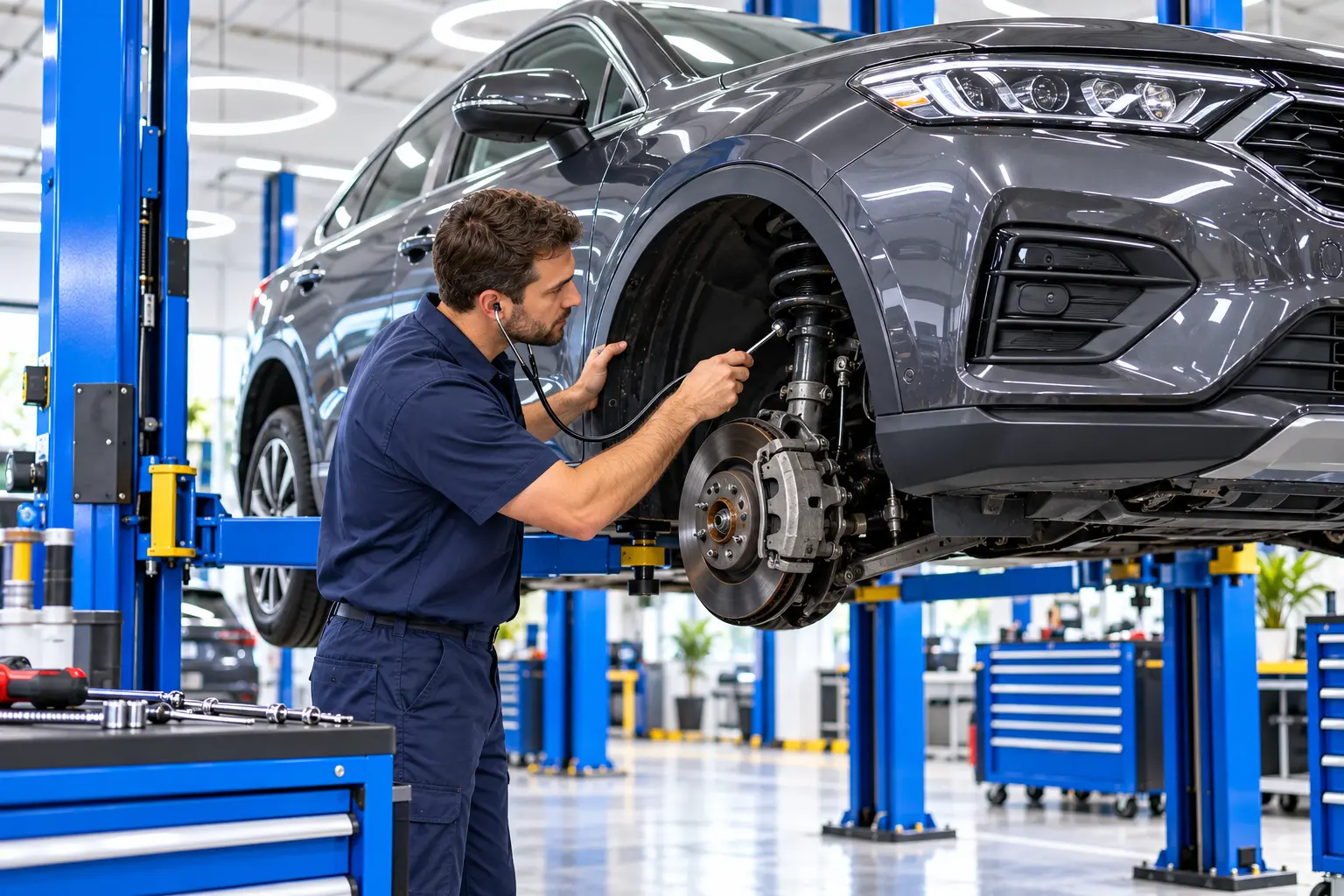
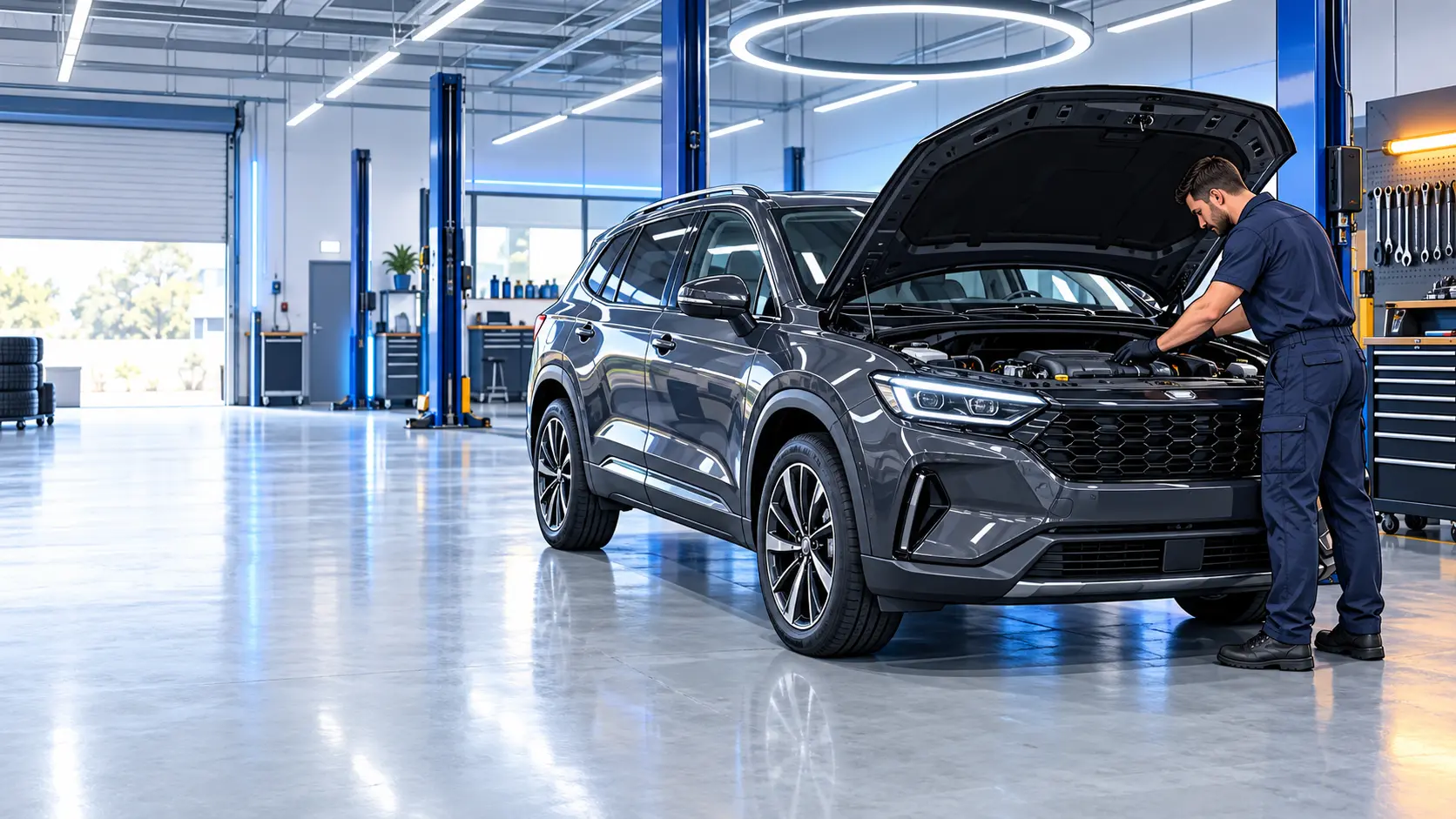
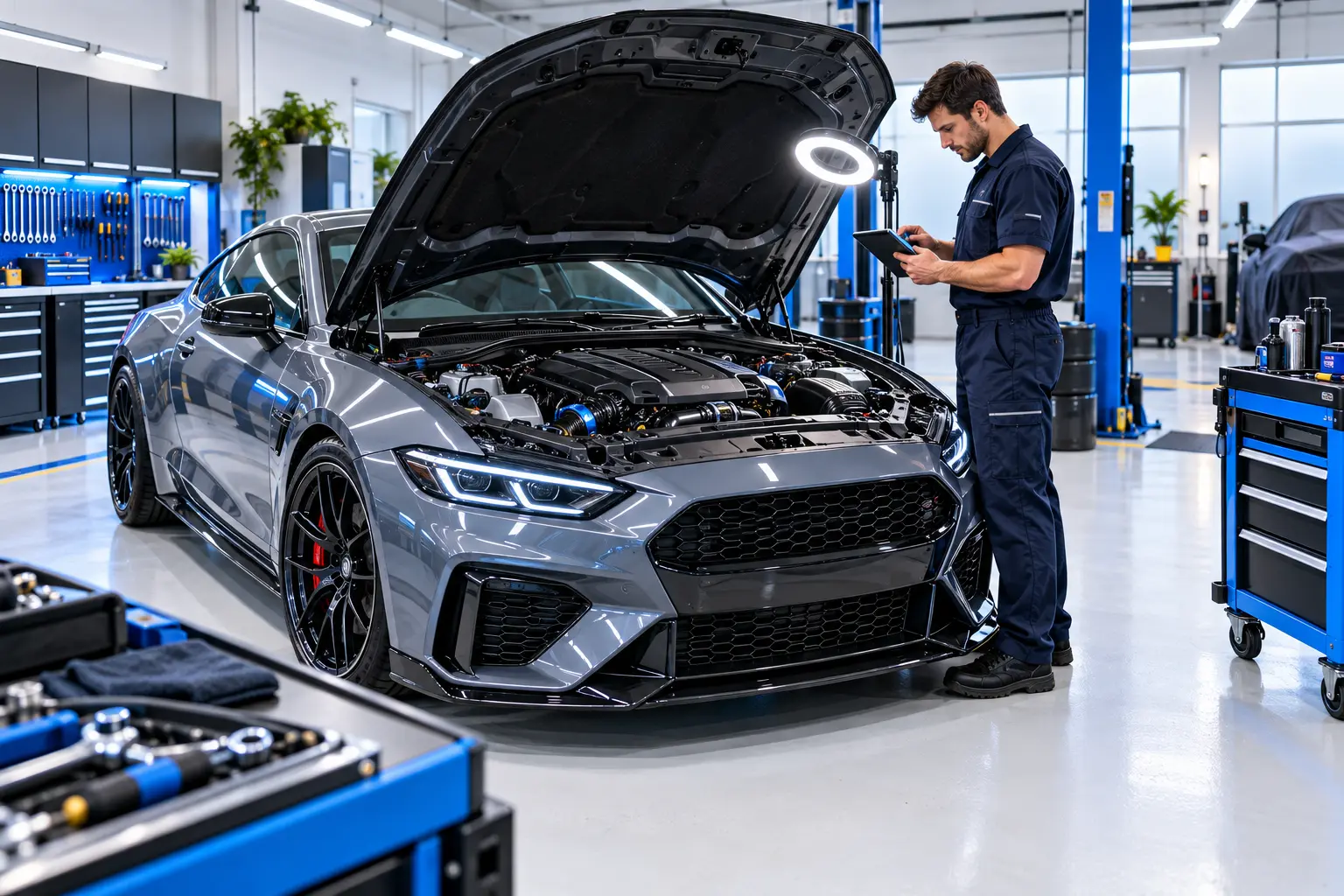
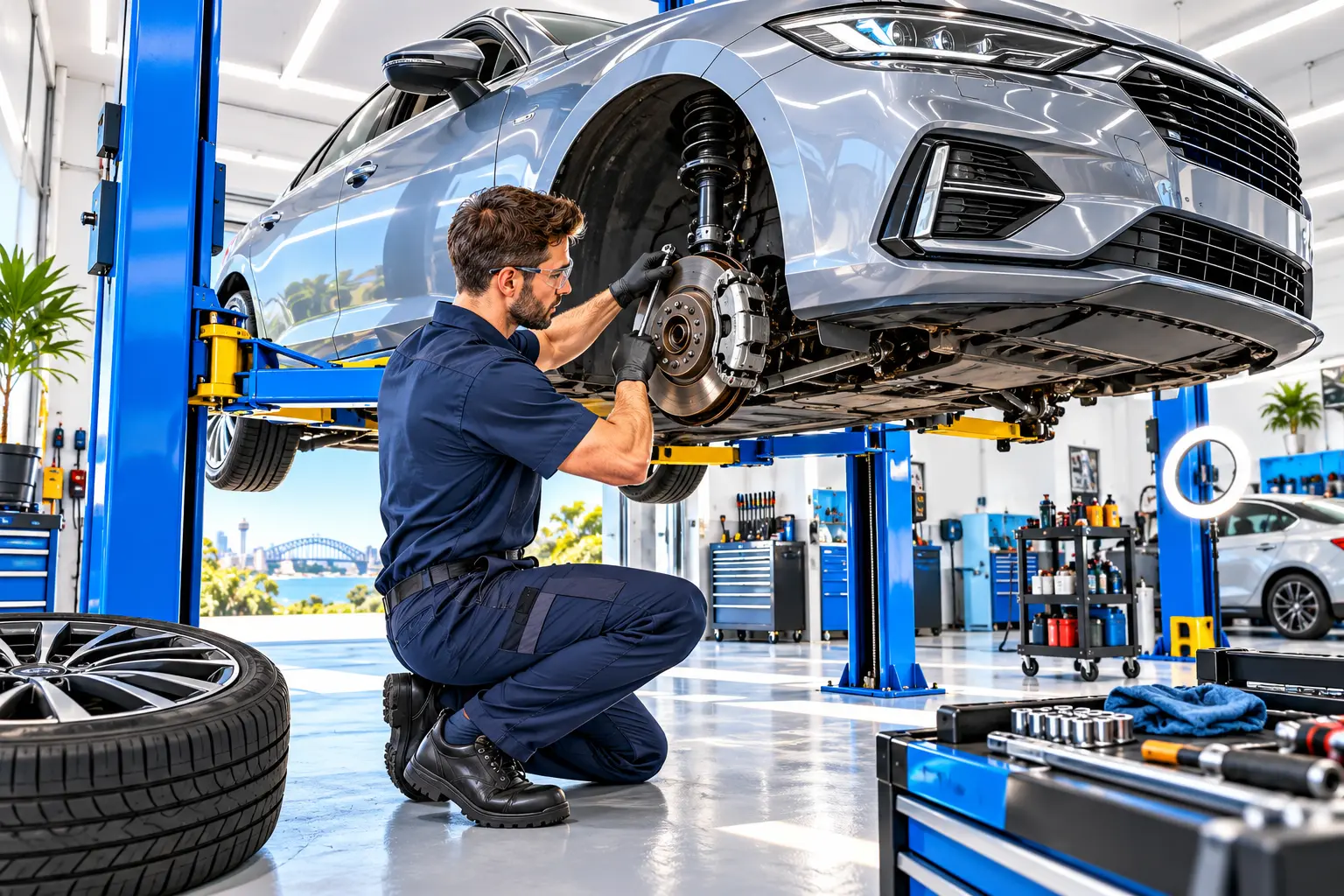
The workshop should consider the whole system rather than replacing the first worn-looking part. That can include pad or shoe material, rotor or drum condition, calipers, hoses, visible fluid leaks, fluid condition and the operation of related warning systems. Tyres, wheel bearings, steering and suspension may also need attention when the symptom overlaps.
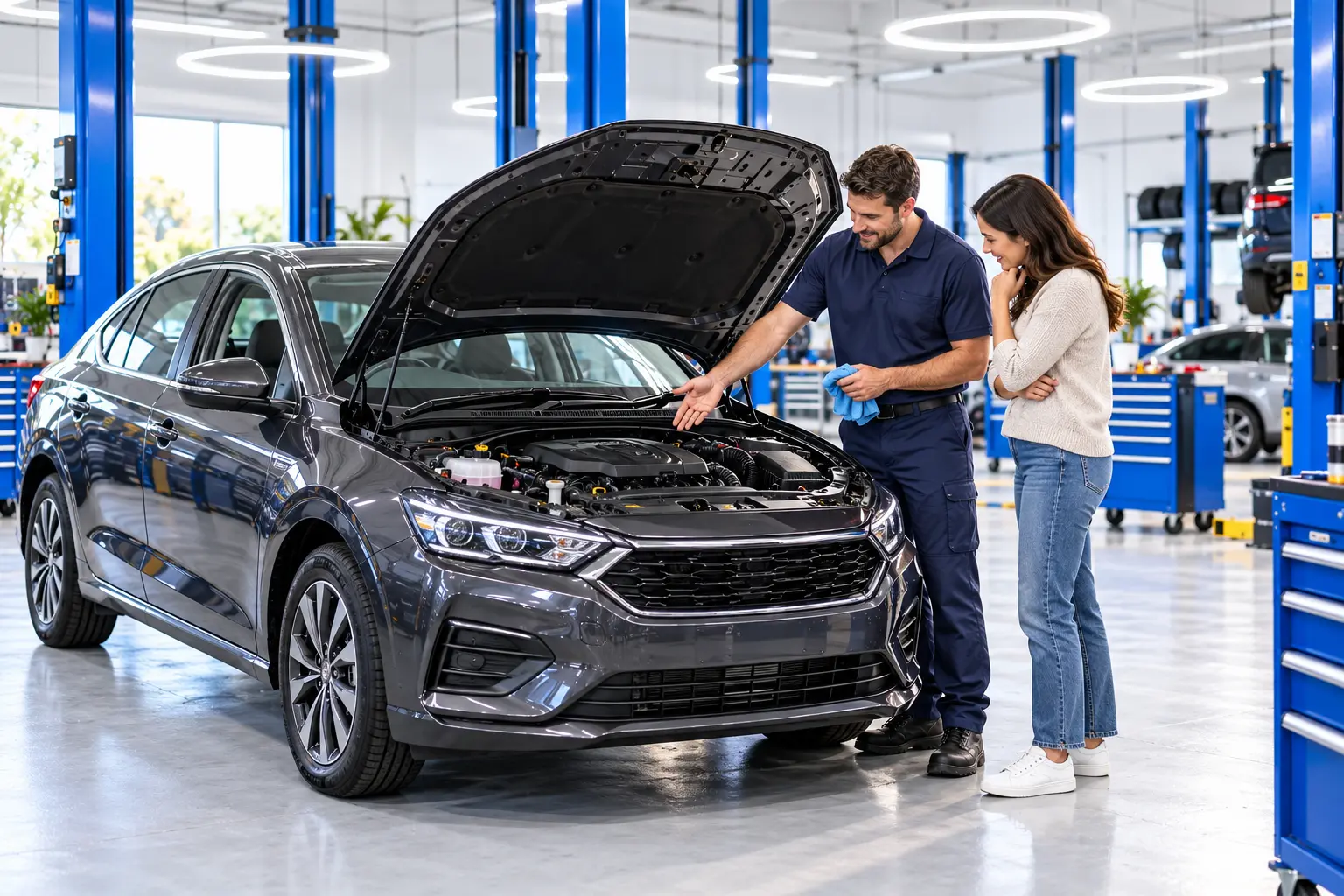
At Total Care Mobile Mechanics, brake work is booked into our Hoppers Crossing workshop. Call with the vehicle details and describe the sound or feeling, the speed at which it occurs and whether the car is hot, cold, turning or braking when it happens.
What drivers ask us.
Can I drive with grinding brakes?+
Grinding can indicate that braking components are badly worn or damaged. Continuing to drive may reduce braking performance and increase damage. Stop using the vehicle if braking feels unsafe and call a workshop or roadside provider for advice.
How long should brake pads last?+
There is no reliable universal lifespan. Vehicle weight, pad material, traffic, hills, towing and driving style all affect wear. Inspection and measurement are more useful than replacing pads at an assumed kilometre figure.
Why does my steering wheel shake when I brake?+
Brake rotor condition is one possibility, but tyres, wheels, steering and suspension can produce similar symptoms. Note when the vibration occurs and have the vehicle inspected before choosing parts.