A check engine light means the vehicle’s onboard system has detected something outside its expected range. It may be a small emissions-related issue, or it may accompany a misfire, loss of power or another fault that can damage the vehicle if ignored.
The symbol and recommended response can vary by make and model. Your owner’s manual is the first reference for the exact light. The car’s behaviour—and whether the light is steady, flashing or joined by a red warning—helps determine what to do next.
The important points
- Check the owner’s manual because dashboard symbols and responses differ between vehicles.
- Stop safely and seek advice if the engine runs roughly, power drops sharply, the car overheats or a critical red warning appears.
- Write down when the light appeared and any change in sound, smell, temperature or performance.
- A stored fault code points to a circuit or condition; testing is still needed before parts are replaced.
First, look at how the car is behaving
If the light appears but the car feels normal, avoid panic and avoid ignoring it. Reduce unnecessary load, check the owner’s manual and arrange diagnosis soon. Some faults can begin intermittently and become more frequent over time.
If the light flashes, the engine shakes or runs roughly, power falls away, smoke appears, or unusual fuel or burning smells develop, pull over somewhere safe and switch the engine off. A flashing light can indicate a fault requiring urgent attention on many vehicles, but always use the manufacturer’s guidance for your model.
Red oil-pressure or temperature warnings require a different level of urgency from an amber check engine light. Continuing to run an engine with low oil pressure or serious overheating can cause major damage. Stop safely and arrange assistance.
Simple observations to make before you call
You do not need tools or mechanical knowledge to gather useful clues. Note whether the light appeared just after refuelling, during acceleration, at idle, on a cold start or after the engine warmed up. Record any hard starting, roughness, unusual noise, smoke, smell or recent battery trouble.
On vehicles with a screw-type fuel cap, check that it is fitted correctly once the car is safely parked and the engine is off. A loose or damaged cap can affect the sealed fuel-vapour system on some cars. Do not assume this is the answer, and do not disconnect the battery to make the light disappear.
- The exact warning symbol and its colour
- Whether the light is steady, flashing or intermittent
- Engine temperature and fuel level at the time
- Any recent repair, flat battery, refuelling or unusual event
- When the car loses power, hesitates or runs roughly
Common fault areas behind a check engine light
The light can be triggered by many systems, and the likely causes differ between vehicles. Possibilities include ignition misfires, air or vacuum leaks, fuel-delivery problems, oxygen or airflow sensor signals, emissions-control faults, wiring issues, low system voltage and mechanical engine conditions.
That range is why replacing a part named in an online code description often wastes money. A code mentioning an oxygen-sensor reading, for example, may reflect the sensor itself or a different condition that caused the reading. The circuit, live data and physical system need to be tested in context.
Why a scan is not the same as a diagnosis
A diagnostic scanner retrieves stored codes and live information from the systems the vehicle makes available. That information narrows the search, but it does not prove which component failed. The same code can be set by wiring, connectors, air leaks, supply voltage, another sensor or an underlying mechanical issue.
Proper fault finding combines the customer’s description, a visual inspection, code and data review, targeted electrical or mechanical tests, and confirmation after the repair. The goal is to establish why the system produced the reading rather than to use the code as a shopping list.
What to expect from a workshop booking
When booking, explain whether the car is safe to drive and list the symptoms in the order they appeared. The workshop may need the vehicle cold, may need time for an intermittent fault to reappear, or may recommend that it not be driven. Mention any recent parts that were fitted so the diagnosis starts with the full picture.
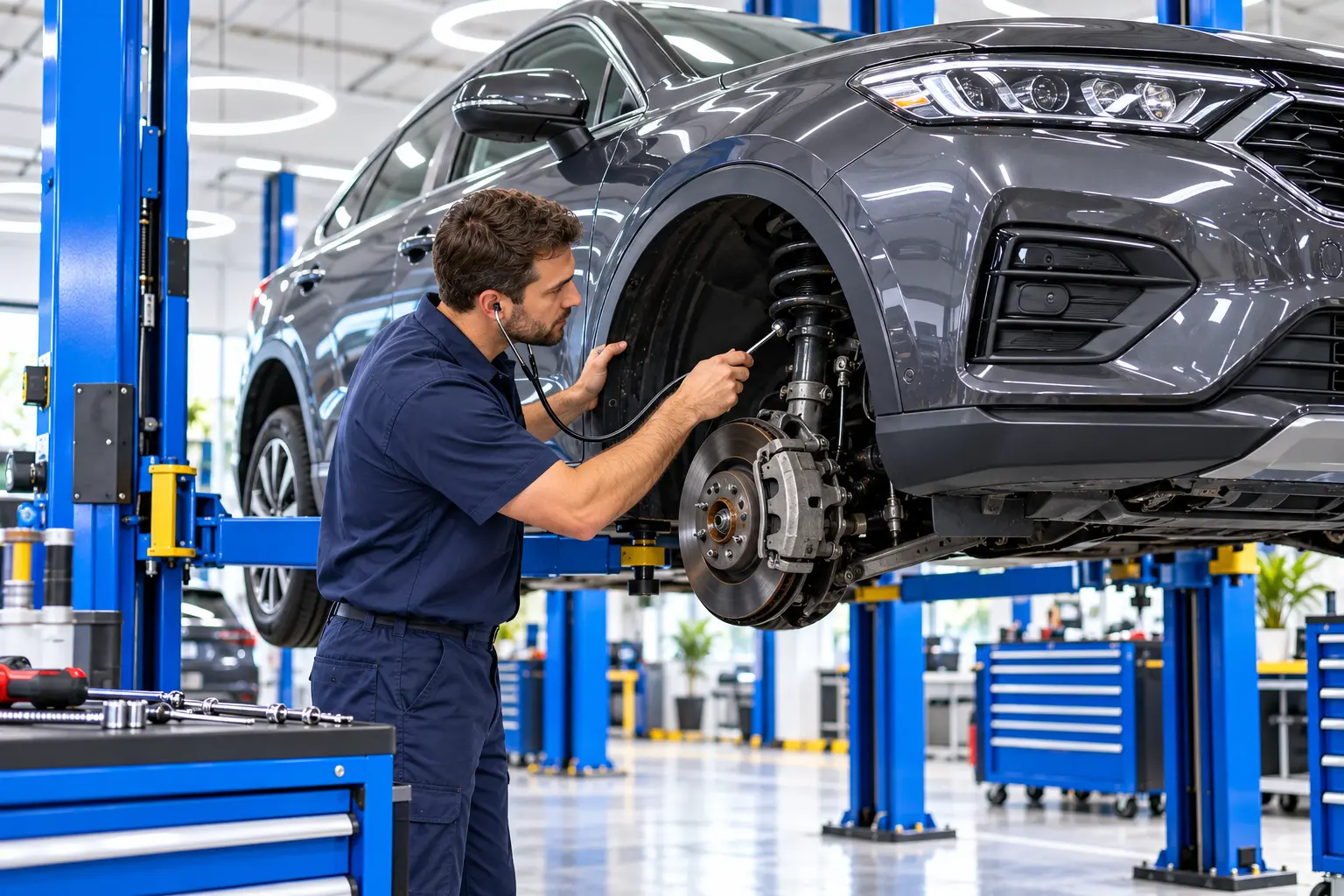
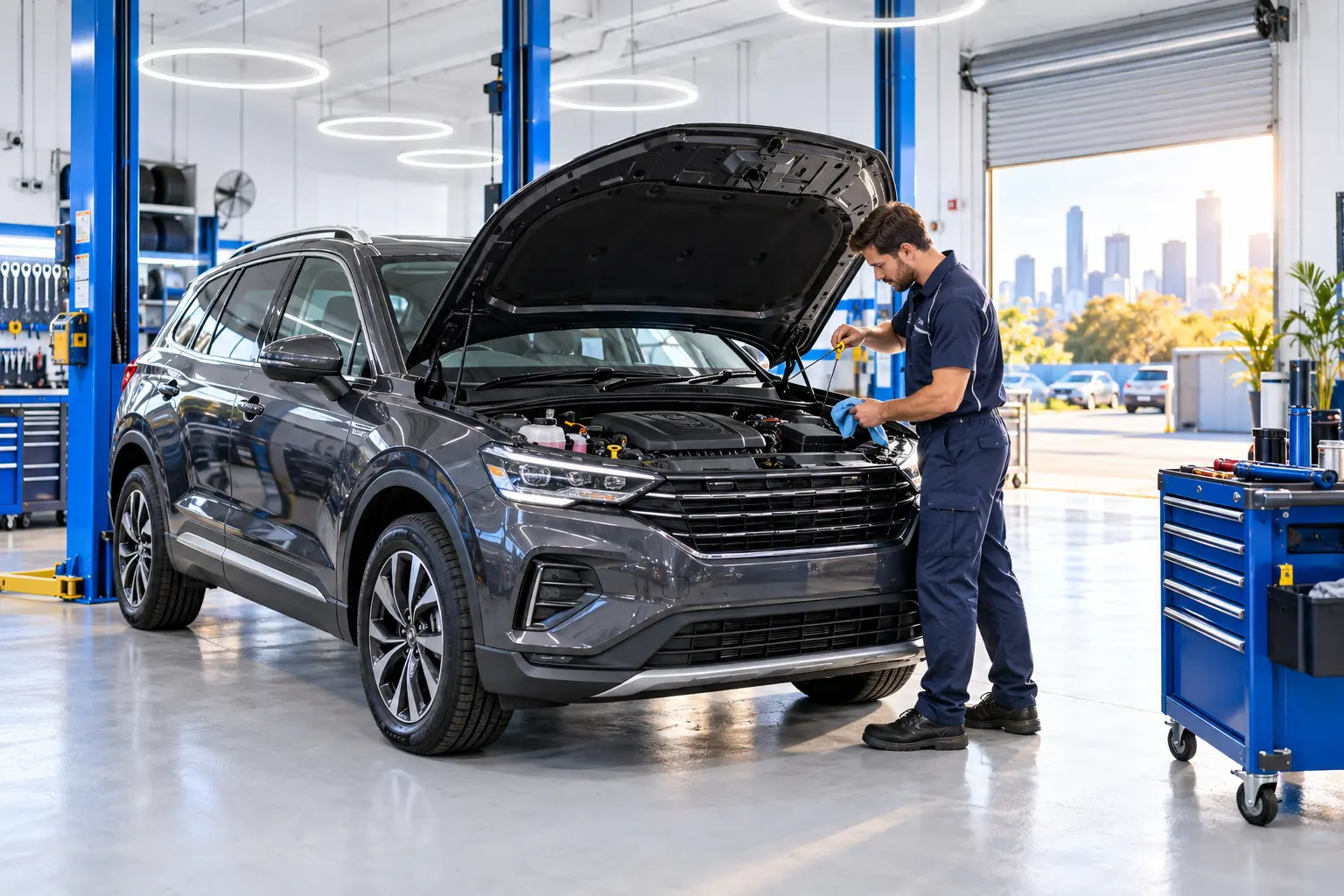
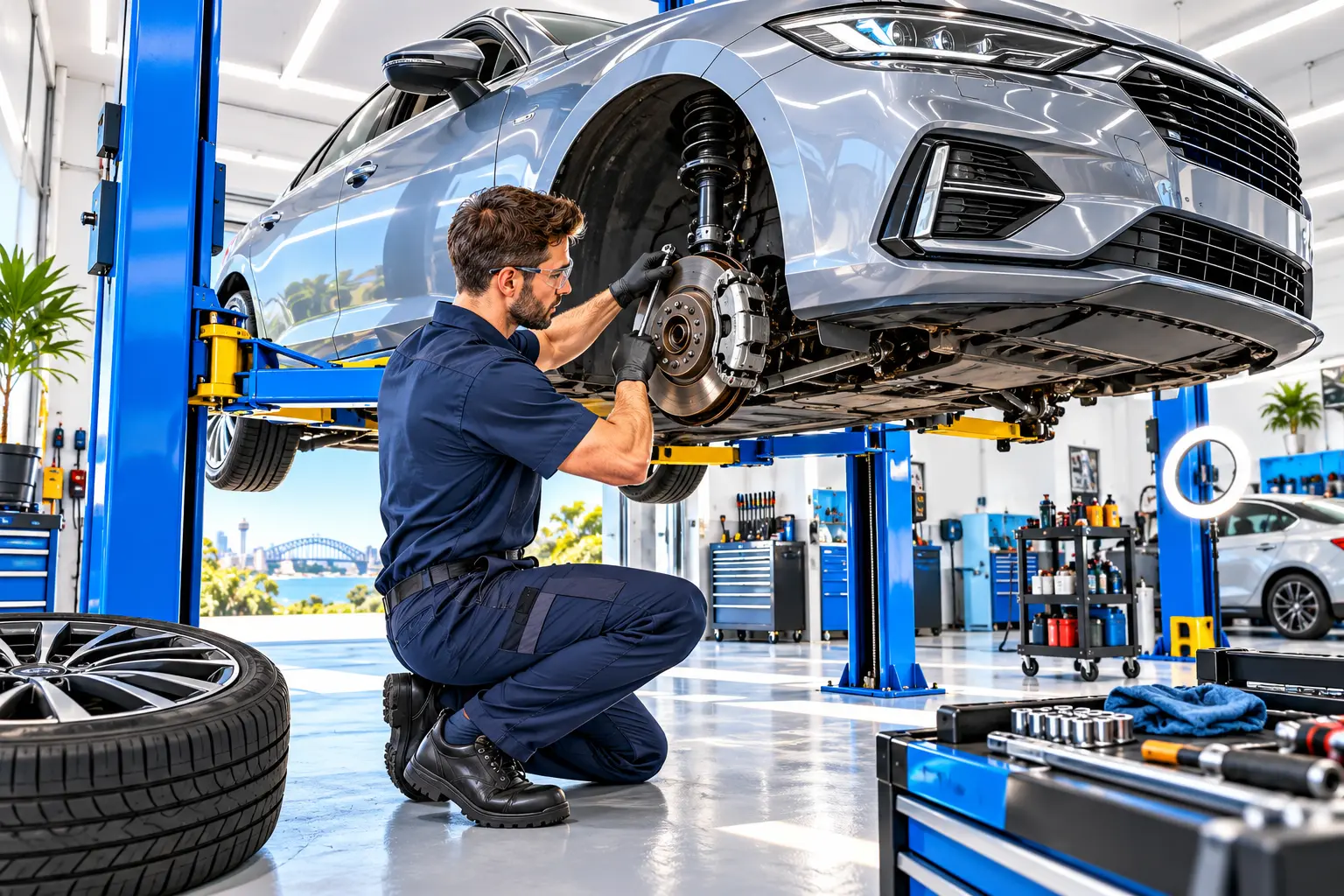
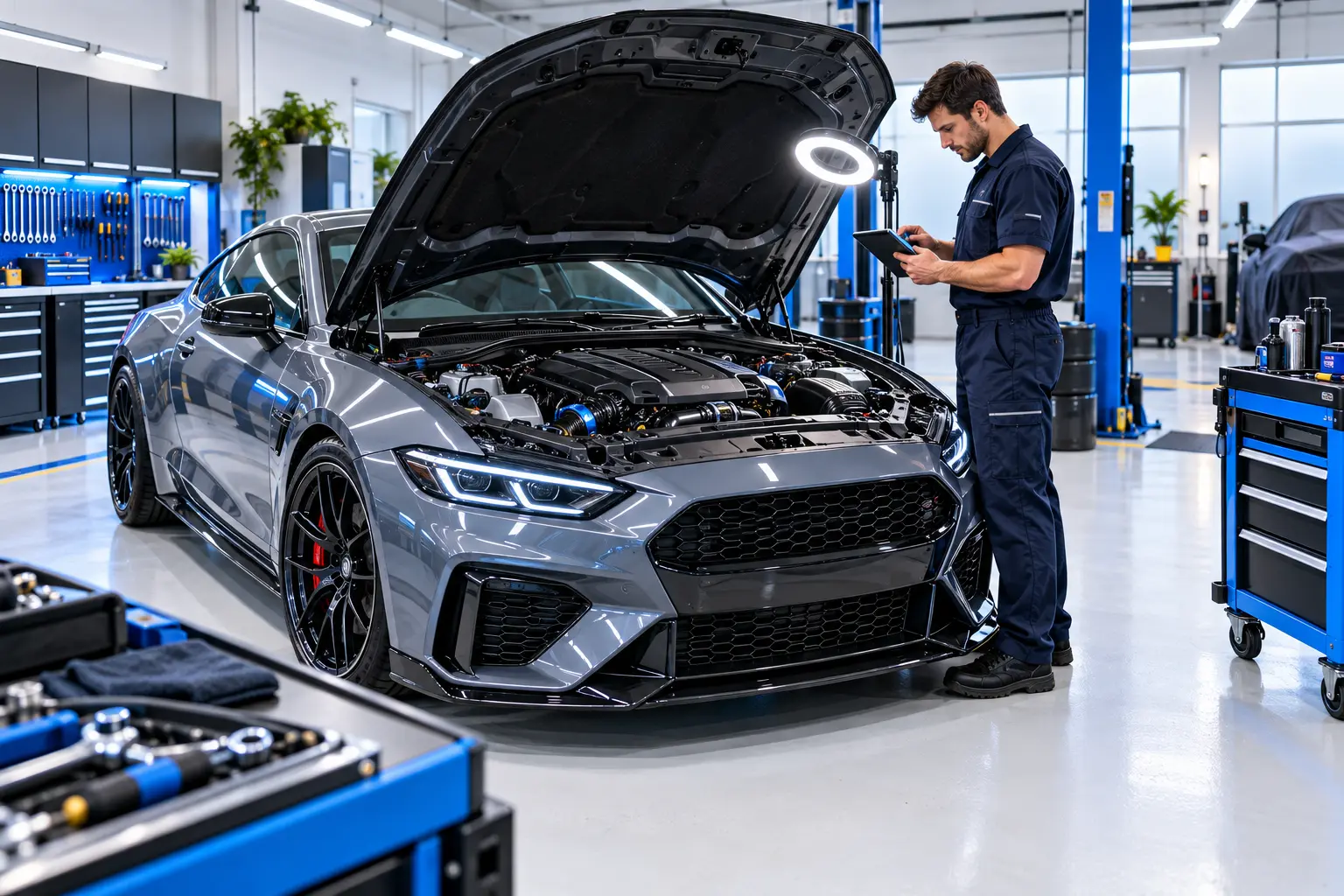
Our Hoppers Crossing workshop handles general engine diagnostics as part of broader mechanical repair work. The car can be inspected under bright workshop lighting, connected to diagnostic equipment and tested methodically. Once the likely cause is established, we can discuss the repair path before extra work proceeds.
Can the light turn off by itself?
Some warning lights may switch off after the computer no longer detects the condition for a number of driving cycles. That does not necessarily mean the underlying problem is permanently resolved. Fault history may remain stored and an intermittent issue can return.
If the car showed drivability symptoms, the light flashed or the warning has returned, arrange a check even if it later goes out. A clear description of what happened is still valuable to the technician.
What drivers ask us.
Can I drive with the check engine light on?+
It depends on the vehicle, the light and the symptoms. Consult the owner’s manual. If the light flashes, the engine runs roughly, the car overheats, power drops sharply or a critical red warning appears, stop safely and seek assistance rather than continuing to drive.
Will disconnecting the battery reset the check engine light?+
It may clear information on some vehicles, but it does not repair the fault and can erase evidence that helps diagnosis. It may also reset other vehicle settings. Have the cause checked instead of using a reset as a repair.
Does a fault code tell me which part to replace?+
Usually not by itself. A code identifies a detected condition or affected circuit. Testing is needed because wiring, voltage, leaks, mechanical faults or another component can produce the same code.