
Searching for a car mechanic in Hoppers Crossing usually begins with a practical need. Your car may be due for a service, making a new noise, showing a warning light or simply needing attention before it becomes unreliable. The difficult part is not finding a list of workshops. It is deciding which one is likely to inspect the vehicle carefully, explain the result clearly and recommend work that suits the car.
Price and location both matter, but neither tells you how a workshop approaches diagnosis, authorisation or communication. A useful first conversation should establish what the vehicle is doing, whether it is safe to drive, what information the mechanic needs and how the next step will be approved. Those details give you a better basis for choosing than a headline price that may not cover the work your car actually requires.
This guide explains what to look for when comparing Hoppers Crossing mechanics, what to ask before booking and how to prepare the vehicle so the workshop has the best chance of finding the cause efficiently. It also covers the warning signs that should be treated as urgent rather than left until the next routine service.
The important points
- Choose a workshop that explains its inspection and approval process, not only the advertised price.
- Give the mechanic the registration, current kilometres, service history and a clear description of every symptom.
- A scan code, noise or warning light is a starting point for diagnosis—not proof that a particular part has failed.
- Ask the workshop to separate urgent safety work, due maintenance and items that can be monitored.
- Do not drive through overheating, unsafe braking, severe vibration, smoke or a critical red warning light.
Choosing a car mechanic in Hoppers Crossing is about more than distance
A nearby workshop is convenient for dropping off the car, arranging a lift and returning if a follow-up check is needed. Local knowledge can also help when a mechanic hears about a symptom that appears in the same stop-start traffic, short-trip use or busy road conditions experienced by other drivers around Hoppers Crossing and Wyndham.
Convenience should still be considered alongside capability. The right workshop needs to handle the type of work your vehicle requires, have suitable access and equipment, and be willing to explain what happens before additional repairs are approved. If the concern is intermittent or difficult to reproduce, the mechanic may also need enough time to inspect, test and road-test the vehicle safely.
When comparing results for a ‘mechanic near me’, look beyond distance and review the actual services offered. Routine servicing, brakes, steering, suspension, cooling-system repairs and engine diagnostics require different checks. A workshop that asks specific questions about the symptom is already gathering information that can make the booking more productive.
Start by deciding whether the car needs servicing or diagnosis
A routine service and a fault diagnosis are related, but they are not the same job. Scheduled servicing follows the maintenance plan for the vehicle and may include oil and filter replacement, fluid checks and an inspection of common wear items. Diagnosis begins with a particular symptom and uses evidence to narrow down its cause.
If you book only a standard service but the main concern is an intermittent stall, overheating event, vibration or warning light, say so before the appointment. The workshop may need additional time, a cold start, a road test or specialised checks. Clear information at the booking stage helps avoid the car arriving with an issue that cannot be assessed in the time allowed.
Likewise, a warning light does not automatically mean the car needs every component associated with that system. Stored fault codes and live data can guide testing, but they need to be interpreted alongside the vehicle’s behaviour, condition and service history. A mechanic should be able to explain what has been confirmed, what remains uncertain and what test comes next.
What a good diagnostic process should look like
Reliable fault finding is a sequence rather than a guess. It normally starts with the driver’s description, because when and how a problem occurs can be as useful as the symptom itself. The mechanic then considers the vehicle history, completes a visual inspection and uses appropriate mechanical or electrical tests to support a conclusion.
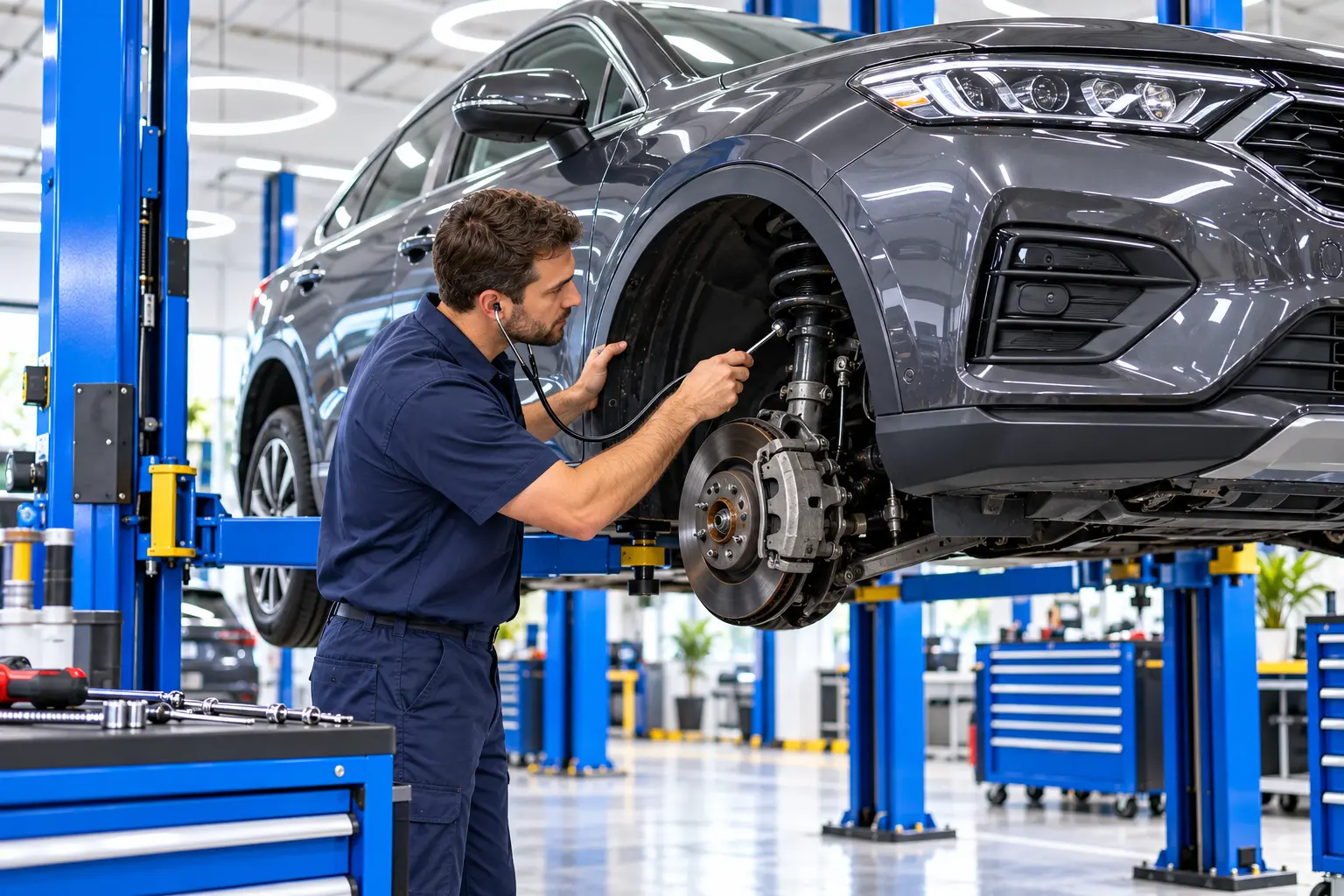
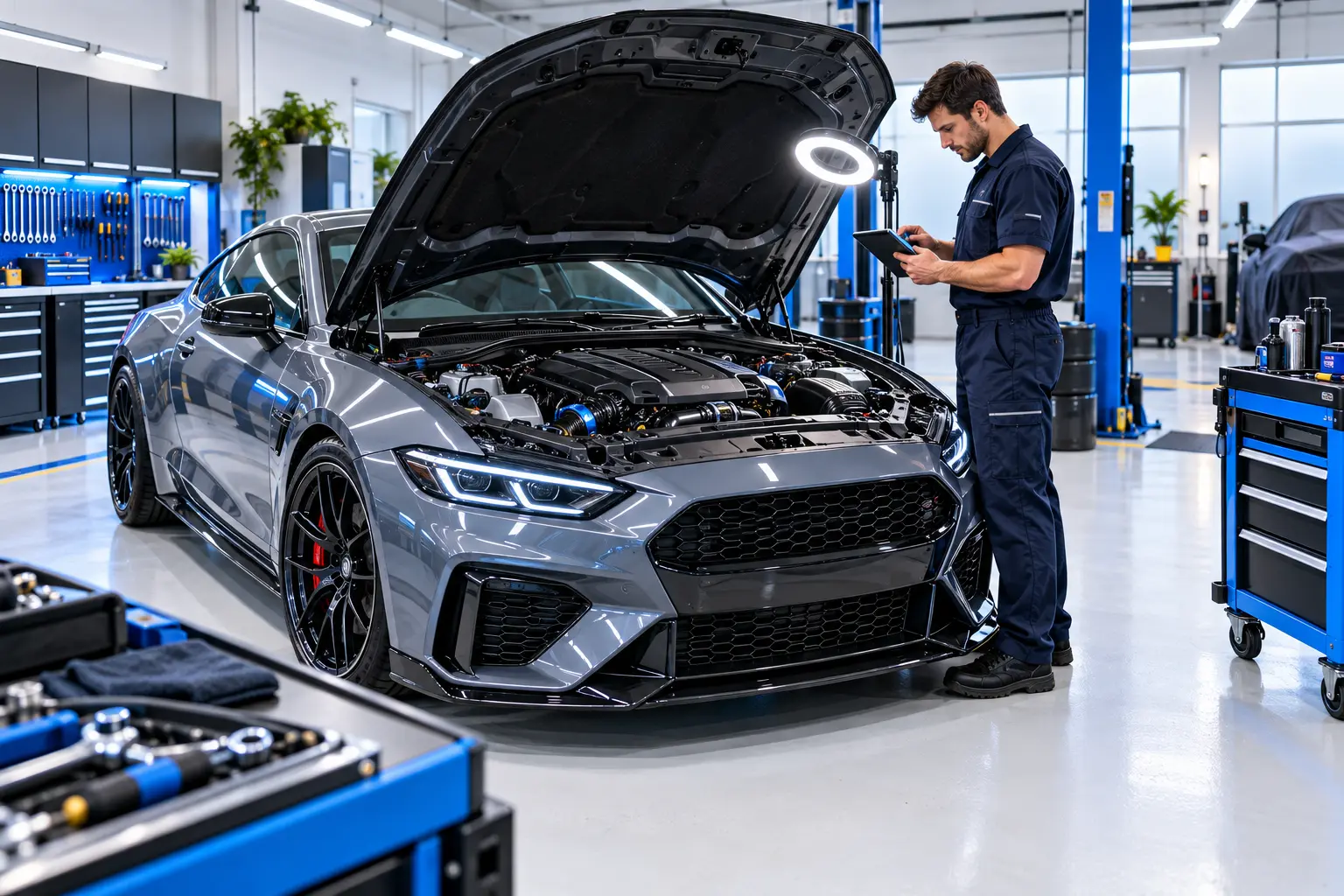
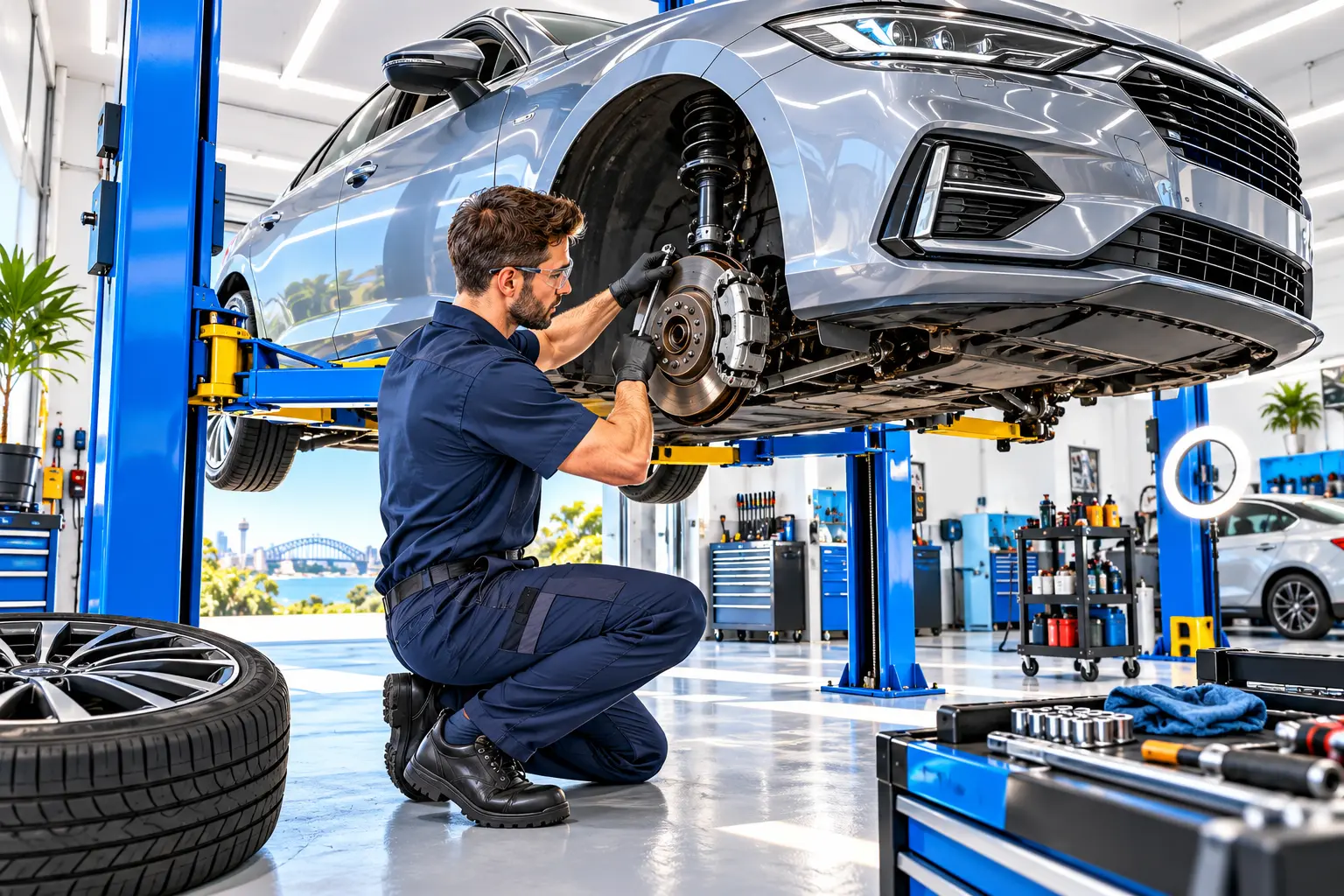
For an engine warning light, that may include scanning the vehicle, checking live data, inspecting related wiring or hoses and confirming the system’s operation. For a brake noise, it may require checking pad and rotor condition, hardware, wheel movement and signs of contamination or uneven wear. For overheating, the cooling system may need a pressure test and checks of coolant condition, fans, hoses and circulation.
Not every fault appears immediately. Intermittent concerns can require the right operating conditions, and dismantling may reveal additional wear that was not visible from outside. A trustworthy workshop will tell you when the diagnosis is supported, when further testing is needed and when a finding is only something to monitor.
Questions to ask before you book a mechanic
You do not need advanced mechanical knowledge to have a useful booking conversation. A few practical questions can establish how the workshop operates and whether it is set up for the work your car needs.
The answers do not need to be complicated. You are looking for a clear process and realistic expectations. A workshop cannot always quote an exact repair before inspecting the car, especially when several faults could create the same symptom. It should, however, be able to explain the initial scope and how it will obtain approval if the situation changes.
- Do you service or repair this type of vehicle and this particular concern?
- Should the car arrive cold, or should I avoid clearing the warning light beforehand?
- How will diagnostic time or inspection work be charged?
- Will you contact me before carrying out work beyond the agreed scope?
- Can you separate urgent safety repairs from maintenance that can be planned?
- What service records or vehicle information should I bring?
- If the vehicle may be unsafe, should it be transported rather than driven?
Clear estimates and approval protect both the driver and the workshop
A useful estimate describes what is included, whether parts and labour are covered, and what assumptions have been made. If diagnosis must happen first, the workshop should explain the initial diagnostic allowance and what you will receive from that step. This makes it easier to compare like with like rather than comparing a complete job with an entry price.
Once the car is inspected, ask for the findings in plain language. Safety-related work should be identified clearly, due maintenance should be tied to the vehicle schedule or condition, and lower-priority observations should be separated from immediate repairs. Where practical, the mechanic can explain what was seen, measured or tested and why the recommendation follows from it.
Unexpected findings are possible, particularly on older vehicles or when access requires components to be removed. The important point is that the workshop pauses, explains the change and asks for approval before moving beyond the agreed scope. Good communication is not an extra feature; it is part of a sound repair process.
Service history helps your mechanic make better decisions
Bring the logbook, invoices or a digital service record if you have them. The dates, kilometres, fluids and parts previously used can help the mechanic avoid repeating work unnecessarily and identify maintenance that may genuinely be due. A complete history can also reveal whether a new symptom appeared soon after a repair or whether a component has been monitored over several visits.
If the history is incomplete, say so. This is common with recently purchased used vehicles and it does not mean every service item must be replaced immediately. The workshop can inspect the car, check the manufacturer’s schedule and help prioritise maintenance according to evidence, safety and budget.
After each visit, keep the invoice and note the odometer reading. A clear record supports future diagnosis, helps with resale and provides a reference if an intermittent problem returns. It also makes the next routine service easier to plan by time or kilometres, whichever comes first for that vehicle.
The mechanical services Hoppers Crossing drivers commonly need
A capable general mechanical workshop should be able to support the car through routine maintenance and investigate the wear or faults that appear between services. The right service still depends on the make, model, age, kilometres and symptoms, but several areas commonly need attention.
Car servicing covers scheduled oil and filter changes, fluid checks and condition inspections. Brake work may include pads, rotors, hydraulic components or investigation of a noise and changed pedal feel. Tyre, steering and suspension checks can help explain pulling, uneven wear, clunks or poor road feel. Cooling-system work becomes important when there is coolant loss, overheating or fan trouble, while battery and charging tests help distinguish a weak battery from starter, alternator, cable or electrical concerns.
Engine diagnostics brings those clues together when a warning light, rough running, poor starting or loss of performance does not have an obvious cause. The workshop should recommend the service that fits the symptom rather than forcing every booking into the same package.
What to tell the mechanic before the vehicle arrives
A precise symptom description can reduce guesswork. Explain when the issue began, whether it is constant or intermittent, and what the car is doing when it appears. Speed, engine temperature, weather, fuel level, road surface and whether the engine is starting, accelerating, braking or turning can all provide useful context.
Try to describe the result rather than diagnose the cause. ‘A metallic rattle for two seconds on a cold start’ is more useful than ‘the timing chain is broken’ unless that part has already been professionally confirmed. Note any dashboard message exactly and photograph it when safe. A short recording may help with a sound, although the workshop will still need to inspect the vehicle.
- Vehicle registration, make, model, year and current kilometres
- The last service date and any recent repair or battery replacement
- The exact warning light or message and whether it flashes
- When the symptom occurs and what makes it better or worse
- Any leak colour, smell, smoke, temperature change or loss of power
- Whether the vehicle has been modified, tows or carries heavy loads
What you should receive when the repair is complete
A good handover should tell you what was found, what work was completed and whether anything still needs attention. The invoice should be clear enough to become part of the vehicle’s service history. If a warning light or symptom led to the visit, ask how the repair was checked and what to do if the concern returns.
Some repairs need a recheck after the vehicle has been used, while other observations may be suitable to monitor until a later service. Make sure you understand any running-in advice, fluid check, wheel re-torque, follow-up test or time-sensitive recommendation before leaving.
No responsible mechanic can promise that an older vehicle will never develop another problem. What the workshop can provide is a documented repair, a clear explanation and a sensible next step based on the condition observed at the time.
Warning signs that should not wait for your next service
Routine maintenance can be planned, but some symptoms change the risk of driving. Stop somewhere safe and seek professional or roadside advice if the engine overheats, an oil-pressure or other critical red warning appears, the brakes feel unsafe, the steering changes suddenly, a tyre is visibly damaged, smoke develops or the vehicle loses power in traffic.
Do not open a pressurised cooling system while it is hot, crawl beneath a car supported only by its emergency jack or continue driving in the hope that a severe vibration will disappear. Tell the workshop exactly what happened and ask whether the vehicle should be transported.
A flashing engine warning light, strong fuel or LPG smell, grinding brakes or rapid fluid loss can also require immediate attention. The owner’s manual and roadside-assistance provider can give vehicle-specific guidance while you are safely stopped.
A workshop-first mechanic for Hoppers Crossing and Melbourne’s west
Total Care Mobile Mechanics is based at 7 Industrial Avenue, Hoppers Crossing. Despite the business name, our focus is booking vehicles into the workshop, where bright lighting, proper access and workshop equipment support careful servicing, inspection and mechanical repair work.
We assist drivers from Hoppers Crossing, Point Cook and surrounding Wyndham and Hobsons Bay suburbs. Mechanical servicing and repairs come first, with performance and LPG work also available where appropriate. If you are unsure which booking your car needs, call with the registration, current kilometres, service history and symptoms so the workshop can plan the most useful first step.
Choosing a car mechanic in Hoppers Crossing should leave you with more clarity, not more uncertainty. Start with a workshop that listens carefully, explains its process and gives you the information needed to approve the work with confidence.
What drivers ask us.
How do I choose a good car mechanic in Hoppers Crossing?+
Look for a workshop that handles the service or fault your car needs, asks specific questions, explains the inspection and approval process, and separates urgent repairs from work that can be planned. Location and price matter, but clear diagnosis and communication are equally important.
What details should I provide when booking a mechanic?+
Provide the registration, make and model, current kilometres, service history and a precise description of the concern. Explain when it occurs, any warning displayed, recent repairs and whether the car feels safe to drive.
Can a mechanic diagnose a warning light from the fault code alone?+
Usually not. A code identifies a condition detected by the vehicle. The mechanic may need live data, visual checks and electrical or mechanical tests to establish whether the cause is a component, wiring, voltage, a leak or another fault.
Should I service my car by time or kilometres?+
Follow the manufacturer’s schedule, which commonly specifies both time and distance, and service the vehicle when the first limit is reached. Driving conditions, age and service history can also influence what should be checked.
Can I drive my car to the workshop if it is overheating or the brakes feel unsafe?+
Do not keep driving a vehicle that is overheating or feels unsafe to steer or stop. Pull over safely, switch the engine off where appropriate and contact the workshop or roadside assistance for advice about transport.